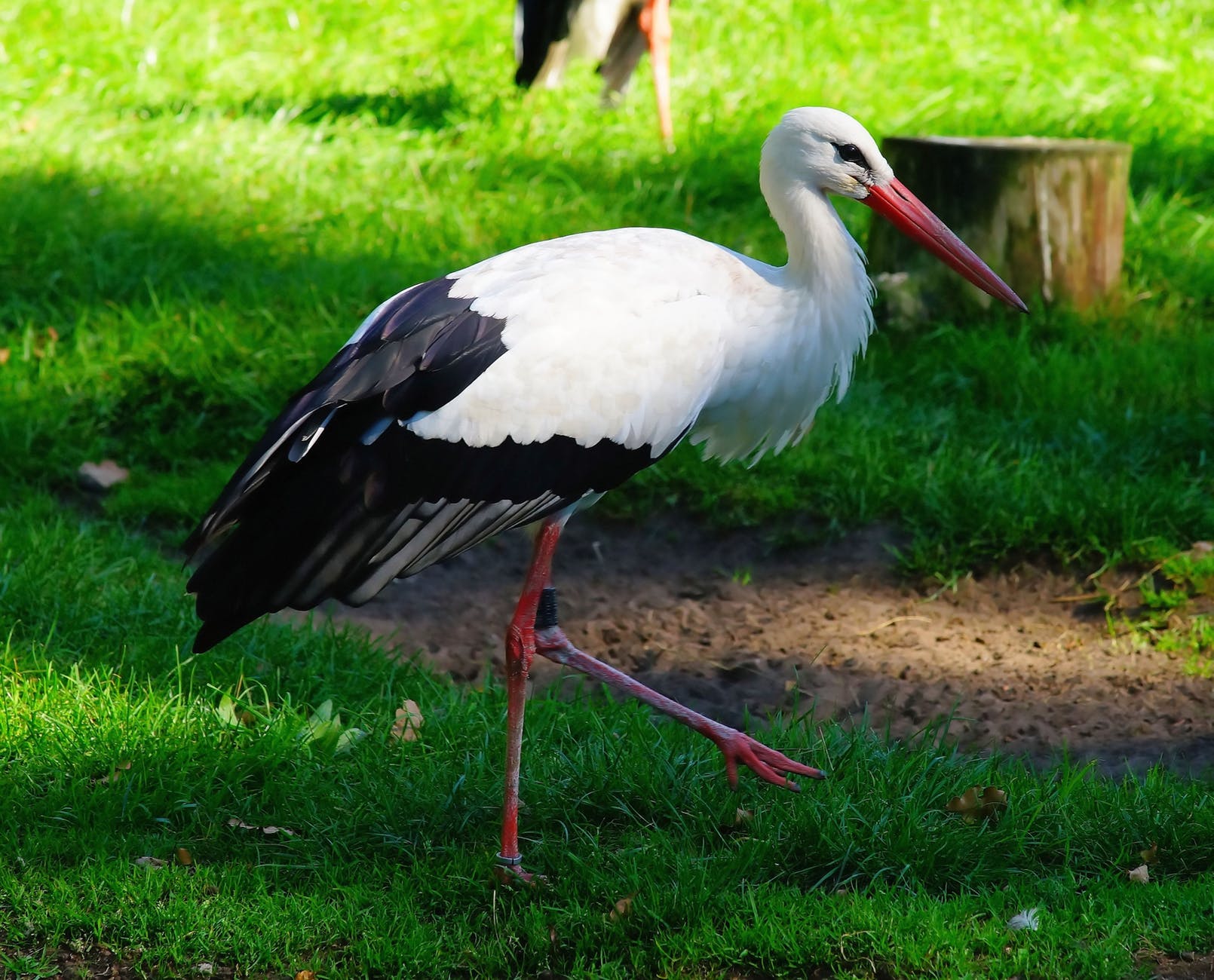
As we left Borgos in the early morning, the stork and moon converged…

Leaving Borgos behind, we entered into a new region, the Meseta – an elevated plateau of mesas and valleys for the next 160kms. It marks the end of the ‘physical’ stage and the start of the ‘mental’ stage. Exposure, heat or cold, few amenities, miles of wheat fields, rocky fields, piles of rocks, windmills in ordered columns, ruins and lots of time with yourself. I’ve been opened minded about this section, trying not to buy into its reputation for being a testing time. My first reaction is the sheer scale and stark beauty of this isolated region. It has no limits. It is breathtaking.


We came across a humble little church on the edge of a remote town a bit after some graffiti. Inside was an elderly, diminutive nun who was stamping our pilgrim’s Passport but who also blessed each of us. She looked me in the eye and gave me a heartfelt blessing and a string necklace of Mary. It was a genuine act of love and I will wear my necklace to remind me of her unconditional love.


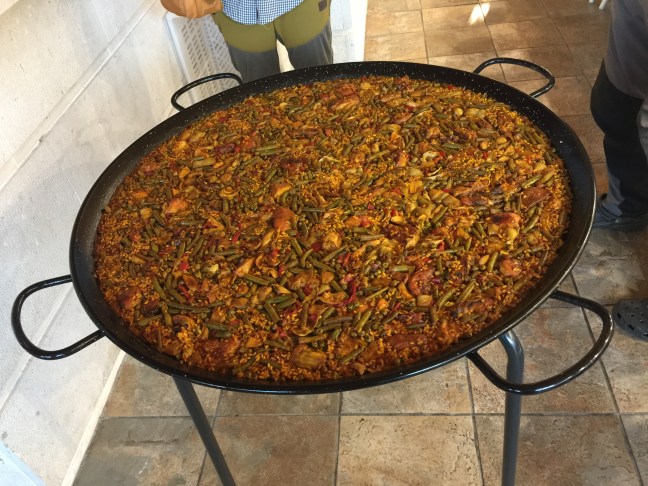
The day concluded with a fantastic paella at the albergue in a gorgeously preserved medieval hamlet called Hornillos.




 The most interesting town we passed through, Atapuerca, is the home to an archeological site of human and animal remains dating back 110,000 yrs ago. The earliest evidence of human habitation in Europe. Named Homo Antecessor, this species of hominid lived at the same time as Neanderthal and homo sapians. Homo sapians won out due to a competitive drive and a better ability to adapt. So nothing has changed! Adapting to climate change will test the species, though! Here is Atapuerca man.


 eathomson.com